All posts by Arianna Herrera

Desk Job Wrecking Your Back?

3 Simple Fixes from a Physio That Actually Work

If your back is aching halfway through the workday—or worse, before lunch—you’re definitely not alone. Sitting for hours hunched over a desk is basically a full-time attack on your spine. And while buying a fancy office chair might feel like the solution, it’s only part of the puzzle.

The good news? You don’t have to accept constant back pain as the cost of your 9-to-5. Here are three simple, physio-approved fixes from the Life Performance Sports Medicine team that can start making a difference today.


1. Fix Your Desk Setup (Without Spending a Fortune)

Let’s be honest—most people’s “ergonomic” desk setup looks like a tangled mess of extension cords, random notebooks, and a laptop perched somewhere between “too low” and “worse.” And that’s a big problem.

Here’s what your setup should aim for:

  • Top of your screen at or just below eye level

  • Feet flat on the floor (use a footrest if needed)

  • Elbows at 90 degrees, forearms supported

  • Chair height so knees are level with or slightly below your hips

Even propping your laptop on a few thick books and adding an external keyboard can make a huge difference. No need to drop $800 on a desk chair—just adjust the angles so your body isn’t fighting gravity all day.


2. Move Every 30 Minutes (Seriously—Set a Timer)

You’ve heard it before, but here it is again: your body isn’t designed to sit still for hours. The longer you stay seated, the tighter your hip flexors get, the more your core switches off, and the more your spine bears the brunt.

Here’s a super easy routine:

  • Every 30 minutes, stand up.

  • Walk around for 1–2 minutes—even just to refill your water.

  • Do a quick stretch: arms overhead, side bend, roll your shoulders.

Or better yet, try this mini reset:

Stand up, reach to the ceiling, take a deep breath in.
Exhale slowly while folding forward to touch your toes (or your knees, whatever works).
Roll back up one vertebra at a time.
Repeat once or twice. Feels good, right?


3. Activate, Don’t Just Stretch

Everyone loves a good stretch, but most desk job back pain isn’t about flexibility—it’s about weakness. Sitting all day deactivates your glutes, abs, and postural muscles, which means your lower back ends up doing all the work.

A good physio will help you strengthen the right areas with targeted exercises like:

  • Glute bridges

  • Wall angels

  • Dead bugs (don’t laugh—Google it)

  • Thoracic extensions over a foam roller

These exercises don’t take long and can be done in your living room. The goal isn’t to turn into a gym rat, but to wake up muscles that have basically been on vacation for years.


When to See a Physio (Hint: Sooner Than You Think)

If you’ve been dealing with recurring back tension or pain, it’s probably time to book in with a physiotherapist. Waiting until the pain is unbearable—or starts shooting down your leg—is a bit like waiting until your car engine dies before changing the oil.

A physio can help you:

  • Pinpoint exactly what’s causing the pain

  • Build a plan that’s realistic for your workday

  • Prevent long-term damage (yep, that’s a thing)

If you’re in the area, Life Performance Sports Medicine offers expert physio services tailored for desk workers, weekend warriors, and anyone stuck in that awkward middle zone. Whether it’s a quick assessment or a full postural overhaul, they’ve got your back. Literally.


Final Thought

Sitting at a desk doesn’t have to equal daily back pain. With just a few small tweaks—and maybe a little help from your local physio—you can ditch the stiffness, move better, and feel more human by the end of the day.

Now go stretch. Your spine will thank you.

What to Put in a Self-Care Hamper That Actually Feels Good

Alright, let’s get one thing straight—just because it’s called a self-care hamper doesn’t mean it automatically delivers joy and inner peace. If you’ve ever opened a basket full of vaguely scented lotions and a loofah that looks like a sea creature, you know what I mean.

So let’s talk about building a self-care hamper that actually makes someone (or yourself) feel good—like curl-up-in-bed-with-a-sigh-of-relief good. Because self care hampers are perfect when they’re done right. And no, we’re not throwing in glitter bath salts unless they come with a cleanup crew.


First, Know Thy Recipient (Even If It’s You)

Not all self-care is candles and face masks. Sometimes it’s snacks. Sometimes it’s silence. Sometimes it’s a weighted eye mask that says, “Please do not perceive me right now.” So, before you start chucking things into a basket like you’re in a gift shop on speedrun mode, think about who the hamper’s for:

  • The Overthinker?

  • The Nap Queen?

  • The Low-Key Anxious Plant Parent?

  • The “I’ll Text You Back in 3-5 Business Days” Friend?

Now we’re getting somewhere.


The Essentials (aka, The Hits That Never Miss)

Here’s a no-fail starter pack for a self-care hamper that’s not just Instagrammable, but genuinely comforting.

🫖 Calming Tea (or Fancy Hot Chocolate)

Because hydration, but make it soothing. Think sleepy-time blends, chai with a cinnamon stick, or that bougie cocoa mix with actual chocolate flakes. If it feels like a hug in a mug, it belongs in the hamper.

🧦 Fuzzy Socks

Yes, this is cliché. But also: no one has too many fuzzy socks. Ever. Choose ones that feel like they were knit by tiny cloud-dwelling sheep. Bonus points if they have ridiculous patterns (sloths in yoga poses, anyone?).

💆 Face Roller or Gua Sha

You don’t have to know what lymphatic drainage is to enjoy a cool stone rolling over your face. It’s oddly addictive. Just trust the process and the vibes.

🕯️ A Candle That Smells Like Emotional Stability

Not “vanilla-sugar headache.” Something soft and grounding like lavender, eucalyptus, or “forest after rain” (whatever that means, but it works). We’re aiming for aromatherapy, not nasal assault.

📓 A Little Journal (With Zero Pressure)

Nothing too fancy—just something cute with enough pages to brain-dump, doodle, or write a to-do list that says “1. Exist. 2. Breathe.” Throw in a pen that feels like it glides over clouds. You know the type.


The Personality-Driven Extras

This is where your hamper becomes legendary. Add a couple of unexpected things that scream “I SEE YOU” in a good way.

For The Overthinker:

  • A tiny puzzle or adult coloring book

  • Calming playlist card (yes, that’s a thing)

  • A reminder card that says “You Are Not Your Inbox”

For The Nap Queen:

  • Sleep mask with sass (“Dreamin’ Don’t Bother Me”)

  • Pillow mist with essential oils

  • Mini lavender plushie (ridiculously comforting, don’t ask why)

For The One Who Ghosts Group Chats:

  • Introvert-friendly snacks (single-serve so no sharing needed)

  • “It’s Not You, I’m Just Tired” mug

  • A note that says “Text back when you’re ready—we get it.”


Presentation Matters (But Not Too Much)

You don’t need a Pinterest-perfect basket with cellophane and bows. A reusable gift box, a cozy tote bag, or even a little crate works. Wrap it in a scarf or tea towel for extra brownie points and eco-cred. The goal is “I care about you,” not “I paid someone $75 to make this look cute.”


Final Thoughts

The best self-care hampers aren’t about luxury—they’re about comfort. They say, “Hey, I see you trying your best, and that deserves a whole basket of cozy.” Whether it’s for your best friend, your burnt-out sibling, or your own frazzled self, self care hampers are perfect for hitting pause in the middle of life’s chaos.

And no offense to bath bombs, but if there’s not at least one snack in there, is it even self-care?

Why Promotional Products Are a Smart Investment for Small Business Marketing

Each and every dollar that goes to marketing is a significant investment for small business owners. When searching for ways to best reach your target market and grow brand exposure, promotional products often do not come at the forefront of the brainstorming process. But there remains a reason that they are one of the most powerful, cost-effective marketing tools available. Promotional Products for Every Business Whether you are new start-up or a mom and pop shop that has been around for years, promotional products can offer more than just traditional advertising.

Today, we asked Natasha from ForKeepsMerch.com.au to talk about why promotional products make sense for a small business owner, and how they can turbocharge your marketing strategy.

1. Boosting Brand Awareness

One of the coolest things about promotional products that sets them apart from every other form of advertising is their unique ability to keep your brand front and center. After all, unlike digital ads or billboards that come and go once they’re turned off, a physical product with your logo on it will last for much longer. A branded pen, tote bag or Tshirt etc., it is a part of your customers everyday. So, every time they use that product; they are reminded of you and your brand. Plus, these items tend to go with your customers off your premises—either to work or the gym or even on an out-of-town trip—so you not only get them; you get everyone else who sees them using a promotional product.

Think about it: an everyday item like a branded tote bag (the kind everyone has) can be seen by tens, if not hundreds of other people just by being on the street. With digital ads filling up our world, having something physical conveys a very different message.

2. Building Customer Loyalty

Repeat business is the lifeblood of small, locally owned businesses. And making them feel appreciated is one of the most effective ways to ensure they do. A free branded merchandise helps retain the unforgetfulness of the product on customers endiminal a positive mark in relationship with the brand. This is no giveaway…but rather a “thank you” or a “thanks for doing business with us.

When you offer promotional items that are personalized and useful, such as notebooks or custom water bottles, it makes the recipient feel appreciated because consider their likes and needs. In exchange, they will be more likely to remain loyal to your brand and may even refer other people to it.

3. Cost-Effective Marketing

A lot of small business marketing is done on a shoestring budget. One of the great things about promotional products is that they are relatively inexpensive as compared to other types of marketing. After all, you do not need to spend a lot of money to make an impression. In fact, promotional products have one of the lowest costs per impression (CPI) when compared to other forms of advertising. If you design a great pen or keychain with your logo on it, the cost may be just a few dollars per item and the brand exposure will last far longer than that of digital ads.

Small businesses have to stretch their marketing dollars as far as they can go, and promotional products are a cost-effective yet long-lasting approach for reaching your target customers.

4. Making It Unforgettable

I mean come on, free stuff is a staple of practically every person. A good experience that a customer passes through is the moment they receive a product that will be used multiple times, or a product that could be so one of kind. It creates a warm feeling of your brand And for sure when handed out at an event, after a purchase and sent through direct mail thus all being another way to remind your clients of you.

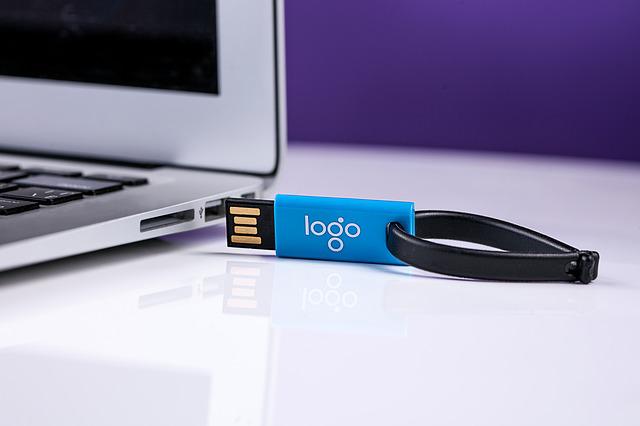
creative, well-made promotional products can start a conversation and generate buzz for your business. Just consider personalized T-shirts that you have distributed at a local event- people wear them all the time and broadcast your brand across their locale. Or a handout of your branded tech gadgets such as power banks or USB drives. Such promotional products provide a way for your brand to be seen all around people each day for months os even years.

5. How to Stand Out From the Competition

Small businesses need every competitive advantage in a crowded marketplace. By using promotional products you can help set your business apart from all of the competition. Your competitors are out there, relying on digital marketing or passing out some flyers, while you can get to your future customers in a more personal way: with something they can use.

Think about the brand you have cultivated when giving stuff away Are you a fitness brand? Distribute brand water bottles. Are you in the tech space? Branded USB drives or wireless chargers The more quality and personalised your promotional products, the more often your business will spring to mind with your target audience.

6. Increasing Brand Recall

And one of the most fundamental goals of any marketing effort is to make sure your business is the one which springs to mind when a customer needs what your products and services offer. According to studies, consumers are more likely to remember a brand that has supplied them with a branded product. In fact, someone may keep a promotional item for months or even longer slipping it in his pocket many times—so your brand is reinforced each time they pull it out.

When your customers require what you provide then they think first for your business because of this lasting presence. Promotional items — Services or Products that you utilize as your Promotion Assistants to make the impact on their minds lasting rather than merely once.

Final Thoughts

Promotional products are far from simply free giveaways. They can be powerful assets to your brand and leave a lasting impression on those who hold them. For small businesses, that means an inexpensive way to reach people who are just starting to get them and then stay with you rather than go to your nearest competitor. Choose things well and pick stuff that is quality, useful, and valuable that speaks of your brand so you will earn a return on your investment much longer than through the initial satchel giveaway.

So the next time you’re thinking about your marketing spend, think also about adding promo products into the mix. So they could just be the best investment you can make as a small business.

Fashion Tips for Young Men: How to Look Stylish Without Trying Too Hard

Let’s be honest, dressing well can sometimes feel like you’re trying to solve a puzzle. so many trends & styles out there, it can get overwhelming fast. But here’s the good news: looking stylish doesn’t have to be hard. Really, with just a few pieces in your wardrobe and some easy tips, you can effortlessly elevate your look.

So, if you’re a young guy wanting to up your style game, here’s some friendly advice to help you shine in all the right ways:

The Magic of a Black Leather Jacket

You’ve probably heard the saying, “Dress how you want to be addressed,” right? Well, nothing says “cool and confident” quite like a black leather jacket. Whether you’re aiming for a casual vibe or something a bit more polished, a leather jacket can transform any outfit.

A leather jacket is one of those versatile pieces that you can throw over a plain T-shirt and jeans, and suddenly you look like you’ve got your life together. It adds a rebellious touch to your outfit without trying too hard. You could be wearing the simplest clothes—a white tee, slim-fit jeans, & some sneakers—and the leather jacket will instantly make the whole look sharper.

Fit is Everything

Before diving into more style tips, let’s talk about one thing that makes or breaks any outfit: fit. No matter how pricey or trendy your clothes are, if they don’t fit well, they won’t look good.

When buying clothes, especially jackets & jeans, make sure they suit your body shape. You don’t want to be swimming in a jacket that’s too big or squeezing into jeans that are too tight. Aim for a fit that’s snug but comfy. Tailored pieces are great investments but if that’s not in the budget just make sure you’re not wearing clothes that are too baggy or too tight.

Invest in Some Good Basics

You don’t need a full closet to look good. Actually having too many choices can be overwhelming. Stick to key pieces that are versatile and easy to mix & match:

  • White T-shirts: A classic white tee can be dressed up or down. It’s simple & stylish and pairs perfectly with a leather jacket.
  • Dark jeans: Slim-fit or straight-leg jeans in a dark wash go with everything.
  • Quality sneakers: Opt for something clean and minimal. White or black sneakers are always safe bets.
  • A dress shirt: You don’t need lots of dress shirts—just one or two that fit well can pair with jeans or chinos for smarter looks.

Keep it Simple

The key to looking effortlessly stylish is not overcomplicating things. You don’t need loud prints or tons of accessories to stand out—in fact less is more. Stick to neutral colors like black white grey & navy for clean modern looks. You can still add pops of color with cool sneakers or watches but overall keep it simple.

Shoes Matter (More Than You Think)

Believe it or not people notice your shoes more than you might think. A great pair of shoes can elevate your whole outfit easily! For casual outfits white sneakers or black leather boots work wonders. If dressing up for an occasion clean dress shoes do the trick nicely! Keep those shoes in good condition—clean them regularly & avoid wearing the same pair every day.

Layer Smartly

Layering makes outfits look more put-together easily! Start with basics (like T-shirts or dress shirts) then add layers like sweaters jackets even scarves! The black leather jacket? Perfect outer layer especially for fall/winter—adds depth while keeping warm!

Don’t Forget About Grooming

No matter how well you’re dressed poor grooming brings down the whole look so Keep hair in check—regular haircuts stylings cleaning them all matter! Same applies for facial hair ensuring it’s neat whether rocking beard moustache or being clean-shaven!

Final Thoughts

Style isn’t about chasing every trend but finding what makes you confident & comfortable! A few well-chosen pieces like black leather jackets quality basics well-fitted clothes take wardrobes next level easily! Keep things simple stay true to own taste above all remember—confidence is best accessory ever!

Liability Insurance For A Carpenter

Liability Insurance For A Carpenter

As a carpenter, you know it’s essential to protect your business from the unexpected.

Carpenter liability insurance is an investment that assures financial protection in property damage, bodily injury, completed operations, personal or advertising injury.

This will then be proceeded by a discussion on why carpenters need liability insurance, its coverage, variant types, factors of price, and how to choose the appropriate cover best.

Enter the world of Liability Insurance for Carpenters: Which One is the Duty of Care Breached by?

Liability insurance for a carpenter is critical in protecting financial security in support of unexpected risks and liabilities associated with the work of a carpenter. It covers most of the risks involved in carpentry projects; hence, some peace of mind is accorded.

There are numerous dangers that a carpenter may face at any given time, such as property damage and injuries caused to a third party. In this regard, liability insurance helps carpenter work without any worry upon support in lawsuits or claims filed against them. Ordinarily, this type of insurance provides indemnity for legal fees, medical bills, and compensation payouts that would otherwise drag carpenters from the consequences of unforeseen eventualities.

The liability insurance enables the carpenter to be professional and responsible to clients and stakeholders while also keeping the credibility and reputation of the business.

The importance of liability insurance for carpenters

Thus, he would need liability insurance to ensure that his business is safe and secure from any incident, may it be an accident, property damage, or even a legal claim arising from the workplace.

This way, carpentry insurance protects the carpenters, lessening the monetary risks that usually arise as a result of legal claims in the case of injuries or damages that someone might accrue on the job sites. Hence, property damage and accidents are catered for under liability insurance, that is, for medical outlays and legal fees, in addition to settlements that might be agreed upon. It saves them from being ruined financially.

With a liability insurance cover, the carpenters can maintain their financial stability since they will not have to dip into their savings or run substantial debts to cover such costs.

What Does a Carpenter’s Liability Insurance Cover?

Liability insurance for the carpenter is targeted at covering property damage, personal injury, completed operations, and other liabilities that may arise from the activities during carpentry. This extensive cover ensures that carpenters are protected from many other associated risks in their carpentry projects.

Property damage coverage will also ensure the carpenter in case of any damage caused to the client’s property through an unintended incident or mishap due to their work. Personal injuries and accidents during work will be covered by personal injury cover and accidental coverage, making payments for any medical and associated legal costs. This particular completed operations cover is precious because it will save the carpenter from issues that may arise due to the nature of the work done after the job is complete. Advertising injury is always part of liability insurance, which protects the carpenter in case claims are brought for libel, slander, or copyright infringement.

Property damage It is the liability insurance policy that incorporates the policy of property damage cover, which protects the carpenter against any damage accruing to the client’s or third party’s property during the carpentry project. This gives them the full assurance that they are financially covered if they mistakenly damage a customer’s property.

This kind of protection usually covers any destruction of the property of the client by the tools, the materials, or the service of the carpenter itself.

For instance, consider a carpenter installing custom-made cabinets who inadvertently ruins an extremely costly hardwood floor on a client’s premises. The property damage cover within their liability insurance would foot the bill for the fixing or replacing that floor. This not only saves one from potential piles of money but also keeps a good relationship with the client through professionalism and accountability.

Physical Injury

In essence, this liability insurance bodily injury cover protects carpenters against any injuries that may befall their clients, subcontractors, or other third parties during carpentry works. Generally, the latter helps mitigate financial risks from accidents and injuries on the worksite.

For example, if a subcontractor falls from a ladder while installing cabinets and sustains an injury, the bodily injury coverage will pay for the medical bills and potential legal fees for the injured person.

The same case will be protected under this cover for a similar fall over the loose materials at the construction site or the self-injury of a client. Accidents do take place in the carpentry trade, so carpenters must have a good insurance cover in case a bodily injury claim is filed against them by them or other people.

Completed Operations

Carpenter insurance also includes completed operations and protects liability from any claims that may come after a project is finished. This provides the carpenter with insurance coverage assurances for their safety even after completed work.

This insurance cover is essential for carpenters because it protects them from possible legal entanglements that may arise once the project has been transferred to the client. For example, if a structural problem was to be discovered at a project once completed, or if the client were to claim for damages caused by the works of the carpenter, an added advantage of the completed operations cover would be effected. It, therefore, provides a safety net for the carpenters in both financial and legal issues in the event of disputes with the clients or the subcontractors.

Personal and Advertising Injury

Personal and advertising injury coverage on a carpenter’s liability insurance policy protects the insured from claims of personal injury or damages due to advertisement activities. It is an ESSENTIAL cover for the protection of the carpenter against legal liabilities relating to individual or advertisement injuries.

Which kinds of liability insurance are there for a carpenter?

Following are the three varieties of liability insurance in three different forms, customized for the profession: general liability insurance, professional liability insurance, and worker’s compensation insurance. Other varieties are in place for such liability insurance schemes for the carpenters; hence, through each of the liability items, they get their benefits and protections.

General liability insurance covers third-party bodily injury, property damage, and advertising injury claims against which a carpenter may find themselves working.

Professional liability insurance is also termed as errors and omissions insurance. It protects the carpenter from claims related to professional negligence or shoddy work. Worker’s compensation insurance entitles the carpenter to cover all medical expenses and required wages in case of injury or illness suffered at the workplace. A carpenter should have an all-inclusive insurance portfolio to cover the needed claims and risks that the business may suffer in cases of unpredictable circumstances.

General Liability Insurance

Public liability insurance offers comprehensive protection against any claim related to property damage, personal injury, and advertising injury. Carpentry businesses should subsume this kind of insurance to protect them from the different types of risks.

Public liability insurance allows a carpenter to work confidently, knowing that he is guarded against liabilities that might arise during projects. It can provide accidental damage to the client’s property, slipping and falling at work, or even a claim in copyright for marketing, to name a few.

The base layer of protection is essential in carpentry, be it the worker associated with residential works or commercial fit-outs, from on-site consultations to a world teeming with other unexpected events. Public liability insurance is a lifesaver in a capricious industry.

Professional indemnity insurance

Professional liability insurance for a carpenter covers against errors, omissions, or negligence in the services. It may help protect the carpenter from claims of failure in quality of work or professional conduct.

This ensures that a carpenter can deal with accidental damages to a customer’s property during work on a project. For instance, if a subcontractor sues a carpenter for design errors that are causing project delays—consequently leading to monetary losses—professional liability insurance helps control legal costs and assigned settlements.

Commercial Auto Insurance

Carpenters’ commercial auto insurance will cover the vehicles they drive in a business situation, safeguarding them from accidents, damage, and liabilities on the road. Such insurance is essential for protecting the vehicle and equipment for carpenters while traveling in connection with work.

Commercial auto insurance covers the vehicles and the equipment inside, whereas it provides some financial protection for the medical expenses and legal costs following such accidents involving the insured vehicle.

It gives peace of mind that the carpenter and business assets are safeguarded. For instance, if one got into a car accident while driving to a client’s site, such insurance would pay for vehicle repairs and related medical bills that might arise from the accident.

What is Workers’ Compensation Insurance Workers’ compensation insurance provides cover for employee injuries or illnesses that take place on the job. For a carpenter employing either subordinate employees or subcontractors, it’s an essential type of insurance that ensures financial protection in workplace accidents or health problems.

This insurance will pay for medical care in the event of an employee’s injury, as well as the wages lost during employee absence. Moreover, this insurance shall protect the employer against the employee’s claim for damages in the case of injury. Such workers’ compensation insurance schemes are made mandatory by most states to ensure the welfare of employees working in high-risk industries, which include carpentry.

Such insurance not only enables carpenters to meet the legal requirements for compensation in case of accidents with their workers in a work situation but also gives them financial relief. Understanding workers’ compensation insurance may help carpenters manage the challenges and provide a safe working environment for stakeholders.

What’s the Cost of Liability Insurance for Carpenters?

Carpenters’ liability insurance costs can differ depending on the size of the business and coverage requirements, as well as its risk profile. Carpenters should expect differences in particular areas of income protection, property damage, and other types of cover, depending on their circumstances.

Insurance usually depends on the size of one’s business. Large-scale operations tend to come with more exposure and revenue, translating into steeper premiums.

For a carpenter, the overall premium amount, and specific coverage requirements, such as limits of liability and endorsements, are determined based on the requirements. Industry-specific risks also assess the cost of insurance; hence, carpenters who are forced to work in such environments can expect stiffer rates. A carpenter needs to be sensitive to general liability, workers’ compensation, and others, among other areas, average premiums to know how best to protect the business.

Cost Influencing Factors

Costs will always differ, whether it is the number of subcontractors, the potential management exposure, the business size, and the historical claims that have been made for being covered under the liability insurance. These are some of them that the carpenters should assess in deciding on the most appropriate covers they need.

A carpenter’s liability insurance cost can be significantly driven up with the hiring of subcontractors. The more subcontractors a carpenter engages, the higher their insurance premiums, as they will be open to increased liability. For example, if a sub-contractor were to cause damage or injury on a work site, that could be litigated under the carpenter’s policy.

Other key underwriting factors of insurance costs include management liabilities risks. Carpenters that have more than one employee or those dealing with massive projects attract a high premium since, when management risks and complexities of projects are managed, the chances of claims increase.

The size of the carpenter’s business tends to have an upward impact on insurance costs. Larger companies with higher turnover and employee ratios tend to have more expensive insurance premiums since the claims are more likely. Conversely, smaller carpentry businesses may get better insurance rates but must be sure to have adequate coverage even though they may be small in size.

Mean Earnings for Carpenters The average cost of the liability insurance cover would be expected to fall within a specific premium range, whereby prices vary with the coverage limits, excess amount of cover, and individual risks such as damages and personal injury claims. This average cost would be significant, as it enables one to budget for insurance-related expenses.

The cost of getting liability insurance for a carpenter is pegged on the size of your business, the kind of projects one works on, and where he or she is located. For example, if one is working in a place, say a busy urban center, then the cost is likely to be more compared to if they were working in a rural area. Therefore, the carpenter has to take some time to give serious thought to the insurance needs with due regard to potential risk factors.

What is the process of selecting the right Liability Insurance for a Carpenter?

Therefore, getting the correct liability coverage for a carpenter involves looking at individual business needs, researching the marketplace for alternative insurers, comparing the offered coverage alternatives and costs, and additional enhancements to be covered. All these will put the carpenter in a position to make an informed decision regarding his insurance coverage in place.

Carpenters who are after pursuing other insurance providers should request quotes that show:.

A close look at the fine points in policies with liability coverage will often show uncovered areas of protection that are critically important to a carpenter’s business.

Make sure you weigh the cost of premiums against the cost of security for sufficient coverage to arrive at that delicate balance that meets not only financial constraints but also risk management requirements.

Evaluate your business needs

The carpenters should be in a position to evaluate what they might need in their insurance; for instance, if they require more apart from the simple liability insurance, the fundamental aspects of their businesses that require covers, including tools, income protection, among others, will enable them to acquire insurance that will protect them against their business risks.

For example, in the case of a carpenter who has highly invested in expensive power tools, he would require a cover that includes protection for the tools in case of theft or damage. Critical could be income protection in the event of injury or accidents that interfere with working.

In this manner, a carpenter can find peace and financial surety through appropriate cover in the insurance policy that gives protection from the insurance policy.

Research Various Insurance Companies

Carpenters should, therefore, find time and look at various insurance companies which have specialized in the construction industry liability insurance. When comparing, carpenters can look at the coverage options presented, customer reviews, and most experienced in the industry before settling on a trustworthy insurance partner.

Carpenters should never forget, in trying to insure themselves, that it is the consideration of particular needs and risks to their trade.

This construction-tailored liability insurance can result in protection from claims over potential accidents, third-party property damage, or third-party injury claims. An opportunity to compare different providers allows a carpenter to stay best-suited in terms of premiums, deductibles, and overall coverage benefits. Research into the reputation of providers given their customer feedback allows a carpenter to make an informed decision, not just in terms of the law to protect business interests.

Coverage vs Cost Carpenters should be guided by how one gets covered by different providers at a reasonable rate when choosing liability insurance. It is checking on what is covered and how much it covers that helps a carpenter assess what type of insurance will be taken. Thus, the carpenter should go out of the way to study the inclusions and exclusions of the policy to make sure they are well covered about the risks that are expected to a carpenter’s trade. Once the carpenter is aware of the structures involved in pricing, he can consider how he just may find the insurance affordable and effective related to the pricing structures and, of course, the level of insurance he may receive. Only by comparing providers side by side will carpenters be able to find custom elements of insurance to meet each need and budget to protect the business from unexpected liabilities.

Take into Account More Coverage Options Besides the protection of liabilities, personal accident insurance, portable equipment insurance, and management liability insurance might be necessary for the carpenter as extensions to the protection from risk. It is these added options of coverage that, together, make the insurance coverage for carpenters effective. Personal accident insurance, which provides monetary support for personal accidents at work resulting in injury or disability, assures that the carpenter is provided for even for something they could not have expected. Portable equipment insurance will protect the valuable tools and private equipment necessary to carry out the carpentry job. It ensures the value in some eventualities of theft, damage, or loss, hence minimizing the possible financial setback to the business. The coverage, therefore, protects the carpenters from legal costs arising due to disputes with employees or allegations of wrongful termination and mismanagement—issues that damage the financial profile and reputation of businesses.

Resampling Types: What is the meaning of a carpenter liability insurance? Liability insurance for a carpenter is an agreement granting an individual or businessperson means to make a claim for financial protection from loss, damage, or injury for which he can be held responsible under the responsible liabilities insurance policy, and that happens during his work. Why would carpenters need public liability insurance? This comes about because you are a carpenter and should expose you to risks and accidents almost daily. This also protects you in financial loss by covering likely damage, legal charges, and medical expenses associated with the accident.

What is carpenter liability insurance? A carpenter’s liability insurance usually covers bodily injury, property damage, and advertising injury. It insures injuries to third parties and their properties and legal costs of defending against claims. Is there mandatory liability insurance for a carpenter? The law does not insist upon this, but in most cases, clients and contractors insist that one should offer proof of insurance before contracting a carpenter. It is also very advisable to have liability insurance for your protection as a contractor for carpentry.

Can I buy carpenter liability insurance on a stand-alone coverage basis? Yes, liability insurance can be taken alone in all the leading insurance companies for a carpenter. Still, a better idea would be to take the general policy, which contains the risks and liabilities of the carpenter concerning other factors as well. How much is general liability insurance on average for a carpenter? The cost of this insurance will vary based on what type of work you are engaged in with carpentry, the size of your operation, and, in some cases, your location. A general ballpark range is the liability insurance for a carpenter that might average between $500 and $2,000 annually.


Unique Ideas For Christmas in July Gifts

People who enjoy Christmas often look forward to celebrating it in July too, which provides them with an ideal way to avoid crowds, have fun, and get in the Christmas spirit before December arrives. If you’re hosting such an event in July here are some unique gift ideas sure to please all your guests.

Christmas hampers make an excellent present for anyone who appreciates receiving presents. Fill yours with seasonal goodies like Christmas ornaments, baubles and stocking fillers. Also include festive-themed mugs and cookies to personalise it further – you could add your own message or choose from festive ribbon options to add that final personal touch!

If you have children, hosting a Christmas in July party is an excellent opportunity to give them something they will enjoy playing with and keeps them occupied all summer long! Plush animals like Santa and Rudolph make great presents as they’re usually plush and fluffy – plushies are especially great as they make for lovely additions to any child’s collection! Other great toys could include board games, children’s books or outdoor items like kiddie pools and bubble toys to keep children occupied!

Adults typically appreciate classic gifts like wine and chocolates as timeless presents that can be enjoyed any time of year. A more thoughtful present would be a subscription service providing monthly shipments of artisanal food or wine that introduces recipients to new flavors and ingredients; alternatively you could offer experience gifts like hot air balloon rides or cooking classes as options.

An excellent option is adding Christmas-themed room decor, which will bring cheer and festivity into any space in your home. Consider purchasing bright lights to illuminate any area, or choose more subdued decor items like scented candles that evoke this holiday atmosphere.

Set your living room up for winter by setting up a Christmas tree – no, not real of course, as that would be too hot; rather you can buy or use a flower pot as an artificial tree on the tabletop to decorate with festive ornaments and decorations from these 63 DIY Christmas ornament crafts, like salt dough handprint ornaments!

An ornament personalized to someone special makes an impressive and thoughtful present, and there are numerous companies that provide customisable ornaments, so you can select something meaningful for them.

When hosting a Christmas in July party, consider organizing a white elephant game – this allows everyone to bring an inexpensive or ridiculous present that can then be swapped around among all guests present. It’s an effective way of making sure everyone leaves with something, and is an especially suitable idea for office or party settings.

Gift cards offer a quick and convenient solution for those unable to host a Christmas in July party; be it food, wine, or an experience. Gift cards will always be appreciated by recipients!

Maximize Your Marketing With These Top Promotional Products

Businesses can use promotional products to increase brand awareness, generate leads, and drive sales. From pens to t-shirts, there are countless options for businesses to choose from when it comes to promotional products.

However, not all products are created equal. Here are six top promotional products available at Promotions Warehouse that businesses can use to maximize their marketing efforts:

1. Customized Pens

Customized pens are a cost-effective and practical way for businesses to promote their brand. They are small and easy to distribute, making them perfect for trade shows, conventions, and other events.

Customized pens come in various colors, materials and designs. You can choose from plastic pens, metal pens, and eco-friendly pens. With a variety of styles available, select a pen that best represents your brand. Moreover, you can have your company’s logo or message printed on the pen to make it more personalized.

2. T-shirts

Customized t-shirts are another great promotional product that businesses can use. They are comfortable, durable, and can be worn again and again. Plus, they offer a large area for businesses to print their logo or message, making them highly visible to potential customers.

T-shirts are a great way to get your brand out there and to increase brand awareness. They can be worn by employees, handed out at events, or even sold in your store.

T-shirts can be made of different types of materials, such as cotton, polyester, or a blend of both. You can also choose from various styles, such as short sleeve, long sleeve, and tank tops. This gives you the flexibility to choose a style that best represents your brand.

3. Water Bottles

Customized water bottles are a great way for businesses to promote their brand and promote a healthy lifestyle. They are practical, as people use them every day, and they are environmentally friendly.

Customized water bottles come in different materials such as plastic, aluminum, and stainless steel. You can also choose from various sizes, designs and colors, that can match your brand. These promotional items are perfect for outdoor events, sports teams, and for people who are always on the go.

4. Power Banks

You can also use customized power banks to promote your brand while keeping your customers’ devices charged on the go. These items are practical and handing them out will show that you care for your customers’ needs.

Power banks come in various capacities, designs, and materials. Therefore, you can choose one that best represents your brand. By customizing them with your company’s logo or message, you can ensure that your brand is always visible to your customers.

5. Customized Phone Cases

Customized phone cases can keep your customers’ devices safe and protected while promoting your brand at the same time. The cases can be customized in different styles, such as hard-shell, softshell, and wallet cases. They also come in different materials, such as silicone, plastic, and leather.

You can choose customized phone cases from various designs and colors that can match your brand. By customizing them with your company’s logo or message, you can ensure that your brand is always in the mind of your target customers.

6. Customized USB Drives

You can use customized USB drives to provide useful resources to your customers while concurrently marketing your business. These promo items are practical, and can be customized in various shapes, sizes, and designs.

USB drives are perfect for storing and transferring important files, such as documents, videos, and images. You can pre-load them with your company’s brochures, catalogs, product information, and other relevant marketing materials, which can be useful for your customers and make it easier for them to access your company’s information.

Additionally, by customizing USB drives with your company’s logo or message, you can ensure that your brand is always visible to your customers. You can hand them out to prospects and customers at trade shows, conventions, and other events.

Promotional products are a cost-effective and practical way for businesses to promote their brand and drive sales. From pens to t-shirts, there are countless options for businesses to choose from. The six products discussed above are among the most popular and effective for businesses looking to maximize their marketing efforts without being blatantly salesy.

Building Your First Shopify Store

If you’re new to Shopify, you can start by setting up your account. You’ll need to select a theme, add products, collections, and set up tax regions. You’ll also want to customize the design of your store. Here are some tips for getting started. You’ll want to include a product photo. Once you’ve uploaded a photo, you’ll need to add a product title to make it clear to customers what you’re selling.

Customizing a theme

If you are building your first Shopify store, it is important to know that there are many different options for customizing the theme. You can select a free or paid theme and customize it to suit your needs. Then, you can add your own functions and integrate third party apps to make it even more personalized. Theme customization can be challenging but it can make your store look stunning. Here are some tips on customizing the theme.

First, choose a theme with color swatches. You can customize a theme for your own personal use or to use for clients. When selecting a theme, make sure that you have a clear vision of the end result. Once you’ve decided on a theme, look for files in the assets folder: CSS, JS, and SVG files. Another folder is Sections, which contains files used to build dynamic templates. Finally, you can find reusable code in the Snippets folder.

Adding products

When building your first Shopify store, you will first need to decide what to sell. It is important to remember that some products, services, and businesses are not allowed on Shopify. For example, you will not be allowed to sell adult toys. This will cause you a lot of problems when you try to sell adult toys. Thankfully, there are many ways to solve this problem. Keep reading to learn more about how to add products to your Shopify store.

Adding products is a time-consuming process. Before adding products, do some research into the market and competition. You will need to know what your target audience wants and what your product will sell for. A tool called Sell The Trend can help you find the best products and determine what your competitors are selling. It also has over seven million products to browse. If you don’t know what to sell, you can always wait for the 14-day free trial.

Adding collections

When you’re building your first Shopify store, you’ll want to take advantage of the collection feature. Collections are groups of products, which you can organize by type or category. For example, if you sell t-shirts, you’ll want to separate your products by size and color. These groups can be created manually or automated. The collection feature is available on the admin page. Once created, you can add products individually or set up a rule so that new products are automatically added to the collection.

One of the most common mistakes people make when building a Shopify store is that they don’t use collections. This is an enormous mistake, as collections are crucial to the success of your store. Collections allow you to categorize your products easily and make navigation easier. They also let you display key features of your products. They’re an important part of your store navigation and will help your visitors find the products they’re looking for.

Setting up tax regions

When building your first Shopify store, you will need to specify which tax regions your business will be taxed in. The different tax rates depend on what is taxed where you live. It is important to consult an accountant or tax expert to know what is best for your business. You can also consult the documentation provided by Shopify on how to set up tax rates. In addition, you will need to choose a payment gateway for processing credit card payments.

Once you’ve chosen a region, the next step is to set up the sales tax rates for each product. These taxes will be different for different countries, and each state has different rules. You can use the tool provided by Shopify to determine the best tax rates for each product. The tool will also calculate sales tax rates for your customers. However, you should know that you may not be required to collect sales tax from all customers. For example, if you’re a reseller, you don’t have to collect sales tax from repeat customers. If you’re a government organization or nonprofit, you don’t need to collect sales tax from them. You can ask them to provide you with a tax-exempt certificate.

Adding shipping options

Adding shipping options to your Shopify store is a vital step that you should complete before you launch your online business. While it may seem complicated, adding shipping rates is a great way to manage your shipping costs and ensure that you print accurate shipping labels. Shopify also gives you the ability to configure shipping profiles. Although you’ll likely only need a single profile to begin with, there are many more ways to customize your shipping experience.

Once you’ve created your Shopify store, you can start promoting your products. It’s best to start by adding a few products. The design of your store will be largely influenced by the type of products you sell. The goal is to design your store around your products, rather than based on other factors. Adding shipping options to your store will help you increase your sales and build a more responsive website.

Best Home Renovation Projects when Selling

When you’re selling your house, you’ll want to make your home as attractive as possible. You can do this by carrying out a few home renovation projects. A simple kitchen remodel can add thousands of dollars to your property’s value, and some of these renovations can be done before listing your home for sale. Even minor changes can add up over time. Here are some of the best home renovation projects to consider. When you’re planning a major project, don’t be afraid to ask for quotes for different projects.

Choosing the right home renovation project can be tricky. You want something that excites you. Remember that your home is your space, and you deserve to have it the way you want it. The best renovation projects are ones that enhance your personal enjoyment of your home. Here are some of the most popular renovation ideas. Once you’ve chosen a project, you can start your project and wait for the results. Investing in a new kitchen, and getting open-plan kitchen ideas can make your home more beautiful, more comfortable, and more valuable.

Kitchen upgrades are one of the most popular home advancement projects. While the financial return of a kitchen renovation is directly proportional to the extent of improvement, it’s important to note that the value of your home is dependent on the amount of improvements you make. In addition to making your kitchen look better, you may also improve its storage capacity, make meal preparation easier, and add new appliances. Your kitchen renovation project should strike a balance between financial return and personal satisfaction.

Before you start a home improvement project, you need to have an idea in mind. Keep in mind that not all renovation projects are created equal. You must know your local market before beginning the project. For instance, kitchen and bathroom projects tend to do better than other projects. You should also know the estimated value of your property. This will help you choose the right renovation project for your home. The best home renovation projects will be those that excite you.

For a minor bathroom remodel, you may want to focus on the kitchen. A kitchen renovation can add up to 102% of the home’s value, while a bathroom replacement project can add up to 50%. Many homeowners will also want to consider remodeling their kitchen to add value. However, a new bathroom is more personal to the homeowner, so it’s best to make sure that the renovation project is as practical as possible. You’ll be surprised by the money you can make from it.

If you’re looking for the best home renovation projects, consider making small changes and re-painting. If you’re redecorating the entire house, you should install new kitchen cabinets and countertops. These are the most visible changes you can make, and will add the most value to your home. While some of these projects can boost the value of your home, the most important ones are those that will add value to your property.

Required Website Design Approaches to Transform Traffic Into Sales

Web Creating Methods to Convert Website Traffic into Sales

Thinking of constructing a web site for your service? The primary step for the ideal website is to get a style which looks eye-catching, giving details to the visitor for the objective of their check out, generating sales as well as far more.
If you have an attractive internet site which looks just remarkable and have lots of web traffic but what if this lots of web traffic does not offer you any kind of sales? All the effort and also cash spent on your marketing strategies to bring website traffic, develop a web site & producing style are completely worthless.
Allow’s discuss some important strategies of web design where you will certainly produce sales and also raise your ROI.

Vital Techniques for Web Design

1. Use Responsive Design for bigger display size.
The majority of the clients today are making use of smartphones as opposed to old computers as well as laptop computers for their fundamental internet needs. Web developers require to develop an internet site very receptive either it is for tv smart device or big screen mobile phone, laptop computer as well as desktop computer.
Nowadays customers are searching on the larger screens like Smart Televisions, video gaming console, etc. So, internet designers must be developed for the internet site according to customer needs.

Web designers make certain that clients experience the same format either on 55 Inch Smart Television, 14 Inch Laptop or 6 Inch Mobile phone.

2. Enhance web site for Online search engine Spiders.
Internet search engine are the best part to enhance the sales and ROI. Every internet designers understand that ranking high on SERPs will bring even more web traffic to the website.
To rank higher on Online search engine like Google and Bing, you must construct the website as though it supplies very satisfying UX to visitors by making certain that the site load time is much less, by adding key phrases to the meta tags as well as by website having eye-catching aesthetic experience, etc 3. Quickly Accessible Get In Touch With Info
If a visitors concern your web site as well as wishes to call you yet if he is not able to locate any type of email address, telephone number or any call type anywhere on the site after that he will certainly drop off from your site as well as go to your rival site.

So, as a brand name you will not do such blunders and make sure that you make all call details easily obtainable for your site visitors.

4. Integrate Social Media
Web developers have to require to add social media web link or plugin to your website. You need to ensure that the website site visitors can quickly access your social switches.

5. Appear Transparent and also Trustworthy.
Trust is a crucial aspect for each organization, ask yourself if you are trying to find an item from a web site yet do not trust them then you will certainly seek various other competitors whom you might trust.
If you intend to increase your sales then constructing depend on amongst your clients is the most important point.
One of the most effective means to enhance your count on is adding privacy trust seals, presenting testimonies, showing online Twitter feed, present variety of consumers offered, etc on your website.