
Archives 2025

Desk Job Wrecking Your Back?

3 Simple Fixes from a Physio That Actually Work

If your back is aching halfway through the workday—or worse, before lunch—you’re definitely not alone. Sitting for hours hunched over a desk is basically a full-time attack on your spine. And while buying a fancy office chair might feel like the solution, it’s only part of the puzzle.

The good news? You don’t have to accept constant back pain as the cost of your 9-to-5. Here are three simple, physio-approved fixes from the Life Performance Sports Medicine team that can start making a difference today.


1. Fix Your Desk Setup (Without Spending a Fortune)

Let’s be honest—most people’s “ergonomic” desk setup looks like a tangled mess of extension cords, random notebooks, and a laptop perched somewhere between “too low” and “worse.” And that’s a big problem.

Here’s what your setup should aim for:

  • Top of your screen at or just below eye level

  • Feet flat on the floor (use a footrest if needed)

  • Elbows at 90 degrees, forearms supported

  • Chair height so knees are level with or slightly below your hips

Even propping your laptop on a few thick books and adding an external keyboard can make a huge difference. No need to drop $800 on a desk chair—just adjust the angles so your body isn’t fighting gravity all day.


2. Move Every 30 Minutes (Seriously—Set a Timer)

You’ve heard it before, but here it is again: your body isn’t designed to sit still for hours. The longer you stay seated, the tighter your hip flexors get, the more your core switches off, and the more your spine bears the brunt.

Here’s a super easy routine:

  • Every 30 minutes, stand up.

  • Walk around for 1–2 minutes—even just to refill your water.

  • Do a quick stretch: arms overhead, side bend, roll your shoulders.

Or better yet, try this mini reset:

Stand up, reach to the ceiling, take a deep breath in.
Exhale slowly while folding forward to touch your toes (or your knees, whatever works).
Roll back up one vertebra at a time.
Repeat once or twice. Feels good, right?


3. Activate, Don’t Just Stretch

Everyone loves a good stretch, but most desk job back pain isn’t about flexibility—it’s about weakness. Sitting all day deactivates your glutes, abs, and postural muscles, which means your lower back ends up doing all the work.

A good physio will help you strengthen the right areas with targeted exercises like:

  • Glute bridges

  • Wall angels

  • Dead bugs (don’t laugh—Google it)

  • Thoracic extensions over a foam roller

These exercises don’t take long and can be done in your living room. The goal isn’t to turn into a gym rat, but to wake up muscles that have basically been on vacation for years.


When to See a Physio (Hint: Sooner Than You Think)

If you’ve been dealing with recurring back tension or pain, it’s probably time to book in with a physiotherapist. Waiting until the pain is unbearable—or starts shooting down your leg—is a bit like waiting until your car engine dies before changing the oil.

A physio can help you:

  • Pinpoint exactly what’s causing the pain

  • Build a plan that’s realistic for your workday

  • Prevent long-term damage (yep, that’s a thing)

If you’re in the area, Life Performance Sports Medicine offers expert physio services tailored for desk workers, weekend warriors, and anyone stuck in that awkward middle zone. Whether it’s a quick assessment or a full postural overhaul, they’ve got your back. Literally.


Final Thought

Sitting at a desk doesn’t have to equal daily back pain. With just a few small tweaks—and maybe a little help from your local physio—you can ditch the stiffness, move better, and feel more human by the end of the day.

Now go stretch. Your spine will thank you.
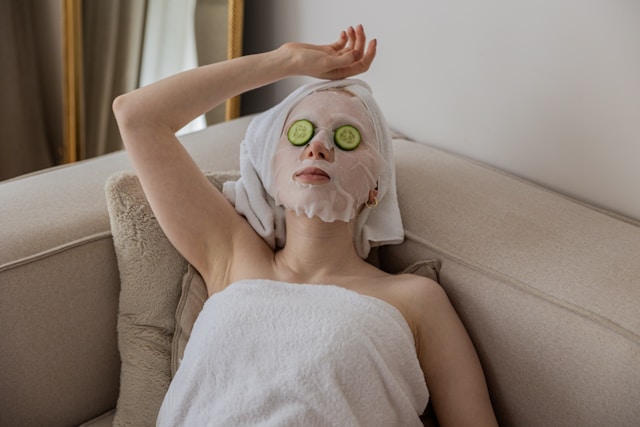
What to Put in a Self-Care Hamper That Actually Feels Good

Alright, let’s get one thing straight—just because it’s called a self-care hamper doesn’t mean it automatically delivers joy and inner peace. If you’ve ever opened a basket full of vaguely scented lotions and a loofah that looks like a sea creature, you know what I mean.

So let’s talk about building a self-care hamper that actually makes someone (or yourself) feel good—like curl-up-in-bed-with-a-sigh-of-relief good. Because self care hampers are perfect when they’re done right. And no, we’re not throwing in glitter bath salts unless they come with a cleanup crew.


First, Know Thy Recipient (Even If It’s You)

Not all self-care is candles and face masks. Sometimes it’s snacks. Sometimes it’s silence. Sometimes it’s a weighted eye mask that says, “Please do not perceive me right now.” So, before you start chucking things into a basket like you’re in a gift shop on speedrun mode, think about who the hamper’s for:

  • The Overthinker?

  • The Nap Queen?

  • The Low-Key Anxious Plant Parent?

  • The “I’ll Text You Back in 3-5 Business Days” Friend?

Now we’re getting somewhere.


The Essentials (aka, The Hits That Never Miss)

Here’s a no-fail starter pack for a self-care hamper that’s not just Instagrammable, but genuinely comforting.

🫖 Calming Tea (or Fancy Hot Chocolate)

Because hydration, but make it soothing. Think sleepy-time blends, chai with a cinnamon stick, or that bougie cocoa mix with actual chocolate flakes. If it feels like a hug in a mug, it belongs in the hamper.

🧦 Fuzzy Socks

Yes, this is cliché. But also: no one has too many fuzzy socks. Ever. Choose ones that feel like they were knit by tiny cloud-dwelling sheep. Bonus points if they have ridiculous patterns (sloths in yoga poses, anyone?).

💆 Face Roller or Gua Sha

You don’t have to know what lymphatic drainage is to enjoy a cool stone rolling over your face. It’s oddly addictive. Just trust the process and the vibes.

🕯️ A Candle That Smells Like Emotional Stability

Not “vanilla-sugar headache.” Something soft and grounding like lavender, eucalyptus, or “forest after rain” (whatever that means, but it works). We’re aiming for aromatherapy, not nasal assault.

📓 A Little Journal (With Zero Pressure)

Nothing too fancy—just something cute with enough pages to brain-dump, doodle, or write a to-do list that says “1. Exist. 2. Breathe.” Throw in a pen that feels like it glides over clouds. You know the type.


The Personality-Driven Extras

This is where your hamper becomes legendary. Add a couple of unexpected things that scream “I SEE YOU” in a good way.

For The Overthinker:

  • A tiny puzzle or adult coloring book

  • Calming playlist card (yes, that’s a thing)

  • A reminder card that says “You Are Not Your Inbox”

For The Nap Queen:

  • Sleep mask with sass (“Dreamin’ Don’t Bother Me”)

  • Pillow mist with essential oils

  • Mini lavender plushie (ridiculously comforting, don’t ask why)

For The One Who Ghosts Group Chats:

  • Introvert-friendly snacks (single-serve so no sharing needed)

  • “It’s Not You, I’m Just Tired” mug

  • A note that says “Text back when you’re ready—we get it.”


Presentation Matters (But Not Too Much)

You don’t need a Pinterest-perfect basket with cellophane and bows. A reusable gift box, a cozy tote bag, or even a little crate works. Wrap it in a scarf or tea towel for extra brownie points and eco-cred. The goal is “I care about you,” not “I paid someone $75 to make this look cute.”


Final Thoughts

The best self-care hampers aren’t about luxury—they’re about comfort. They say, “Hey, I see you trying your best, and that deserves a whole basket of cozy.” Whether it’s for your best friend, your burnt-out sibling, or your own frazzled self, self care hampers are perfect for hitting pause in the middle of life’s chaos.

And no offense to bath bombs, but if there’s not at least one snack in there, is it even self-care?